FANTASIA IN F MINOR
Four-Hand Piano Concert
April 19, 2026 | h 18:00
Concert
Ticket price: €15
The program traces a poetic and historical arc moving between memory, intimacy, and transformation, bringing together the inward lyricism of Franz Schubert, the luminous imagination of Maurice Ravel, and the concentrated, aphoristic worlds of György Kurtág and György Ligeti.
Schubert’s Fantasia in F minor, D. 940 stands at the threshold between song and structure, dialogue and confession. It is a work of shadowed intensity, in which the piano becomes a space of shared breathing, tension, and fragile unity.
With Ma Mère l’Oye, Ravel turns toward the realm of childhood and wonder, shaping a sound world of refined simplicity. Fairy-tale imagery is filtered through an exquisitely transparent harmonic language, where clarity and imagination coexist in delicate balance.
Kurtág’s music brings listening into a state of extreme concentration. The two chorales—Allein Gott in der Höh sei Ehr and O Lamm Gottes unschuldig—together with pieces from Játékok, Book IV, unfold as brief, essential gestures, poised between devotion, play, and existential urgency. Silence, touch, and resonance become structural elements, inviting an intimate and alert mode of listening.
Ligeti’s Five Pieces close the program with a kaleidoscopic journey through rhythm, polyphony, dance, and formal invention. From the ironic clarity of the March to the vitality of the Sonatina and Allegro, these miniatures reveal a composer deeply engaged with tradition—refracted through wit, abstraction, and restless energy.
Together, these works propose a journey in which music continually moves between past and present, innocence and experience, concentration and imagination—affirming listening itself as an active, living act.
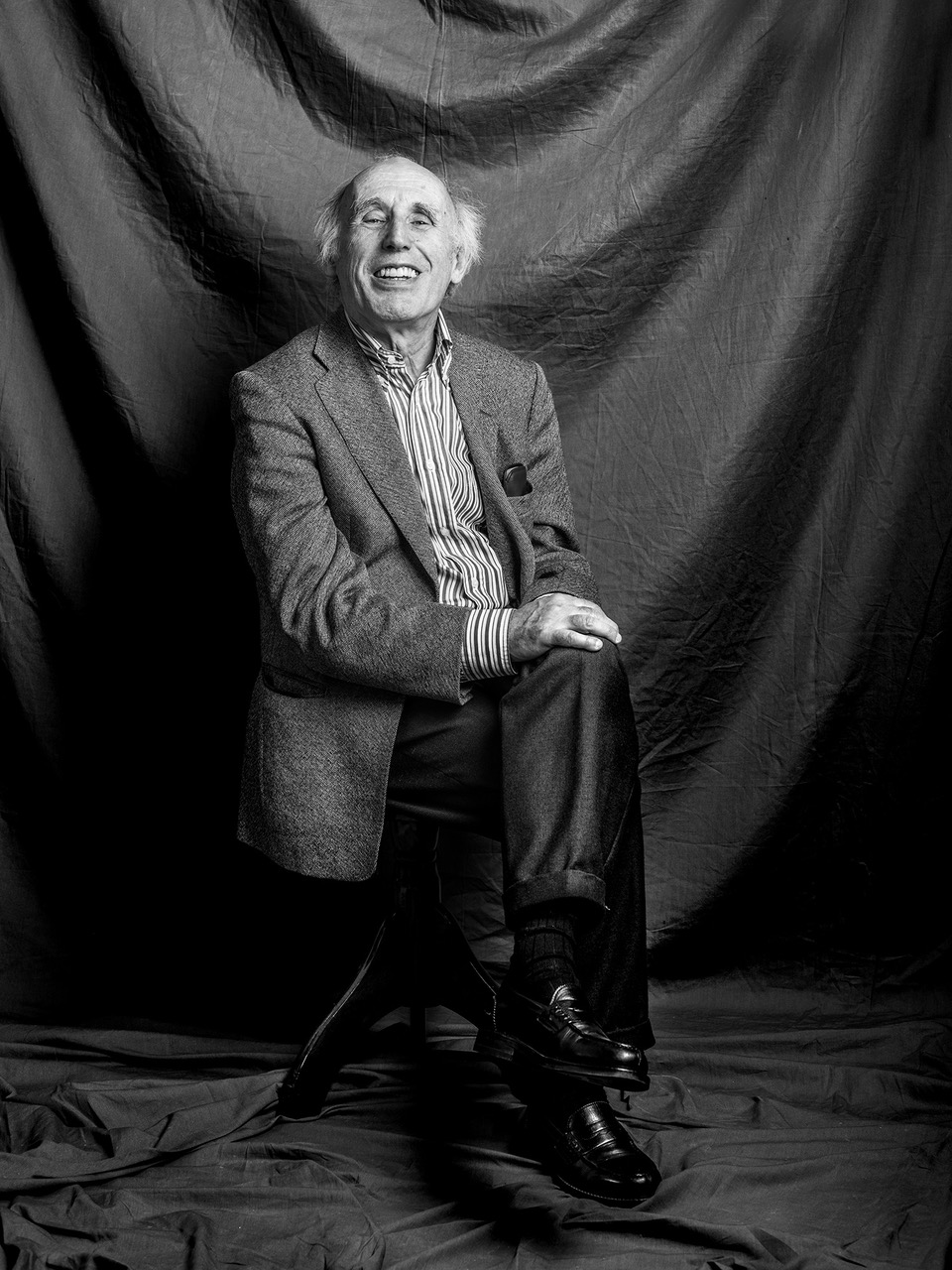
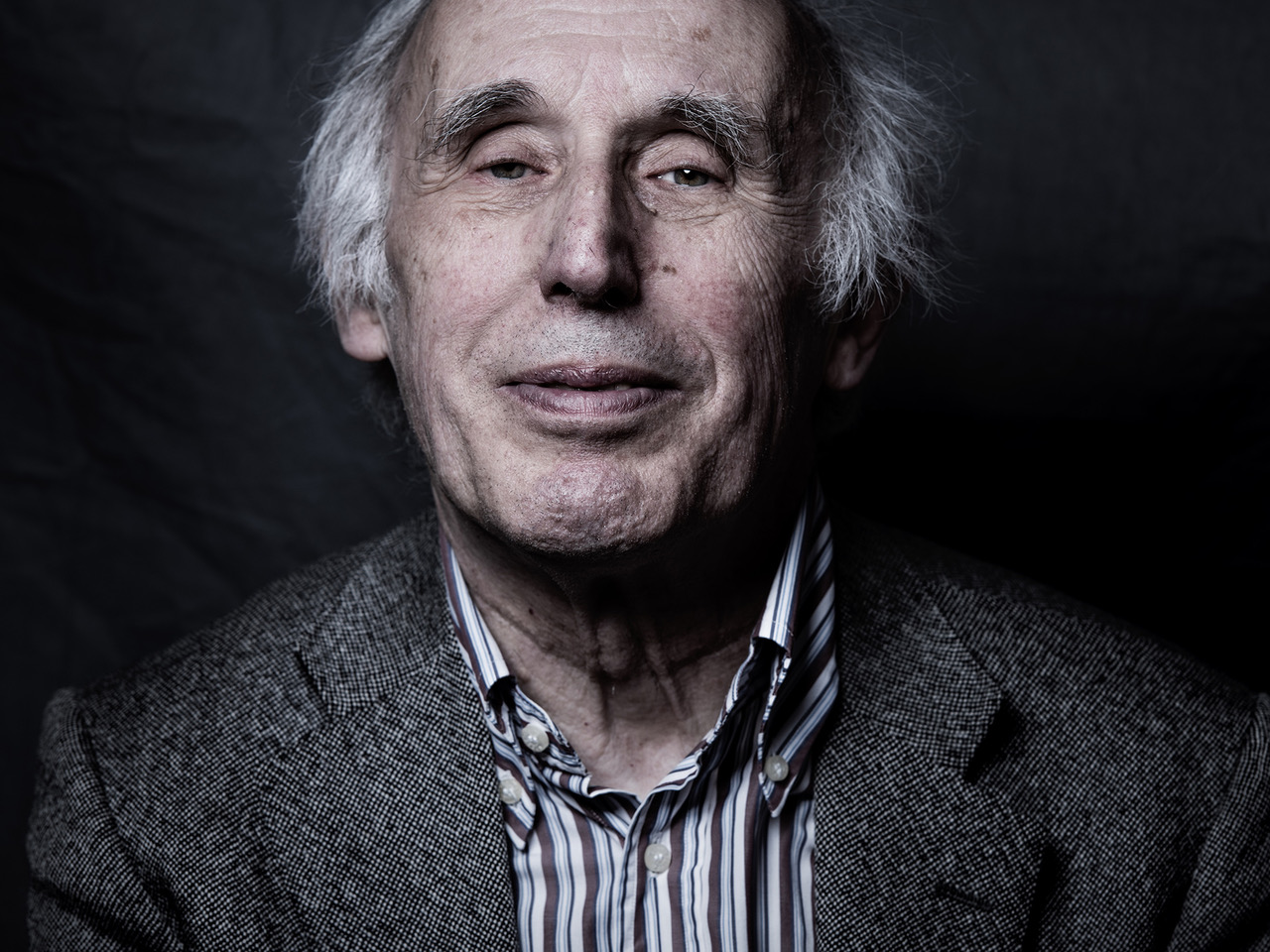
Bruno Canino
Bruno Canino is one of Italy’s most distinguished and versatile pianists, and a leading figure on the international music scene for several decades. His artistic activity spans from the classical repertoire to contemporary music.
A graduate of the Milan Conservatory, he has pursued a major concert career as both a soloist and chamber musician, performing in leading concert halls and festivals throughout Europe, the Americas, and Asia.
A reference interpreter of twentieth-century and contemporary music, Canino has collaborated with many of the most important composers of his time and has taken part in numerous world premieres, making a decisive contribution to the dissemination of today’s music. He has performed regularly with internationally renowned musicians and ensembles and was for many years an artistic partner of central figures in the contemporary music scene.
Alongside his performing career, Bruno Canino has been deeply committed to teaching, holding positions in piano and chamber music at major Italian and European institutions and shaping generations of performers. His career represents an essential point of reference for the dialogue between performance tradition and contemporary musical research. This year, he celebrates his 90th birthday.
A graduate of the Milan Conservatory, he has pursued a major concert career as both a soloist and chamber musician, performing in leading concert halls and festivals throughout Europe, the Americas, and Asia.
A reference interpreter of twentieth-century and contemporary music, Canino has collaborated with many of the most important composers of his time and has taken part in numerous world premieres, making a decisive contribution to the dissemination of today’s music. He has performed regularly with internationally renowned musicians and ensembles and was for many years an artistic partner of central figures in the contemporary music scene.
Alongside his performing career, Bruno Canino has been deeply committed to teaching, holding positions in piano and chamber music at major Italian and European institutions and shaping generations of performers. His career represents an essential point of reference for the dialogue between performance tradition and contemporary musical research. This year, he celebrates his 90th birthday.
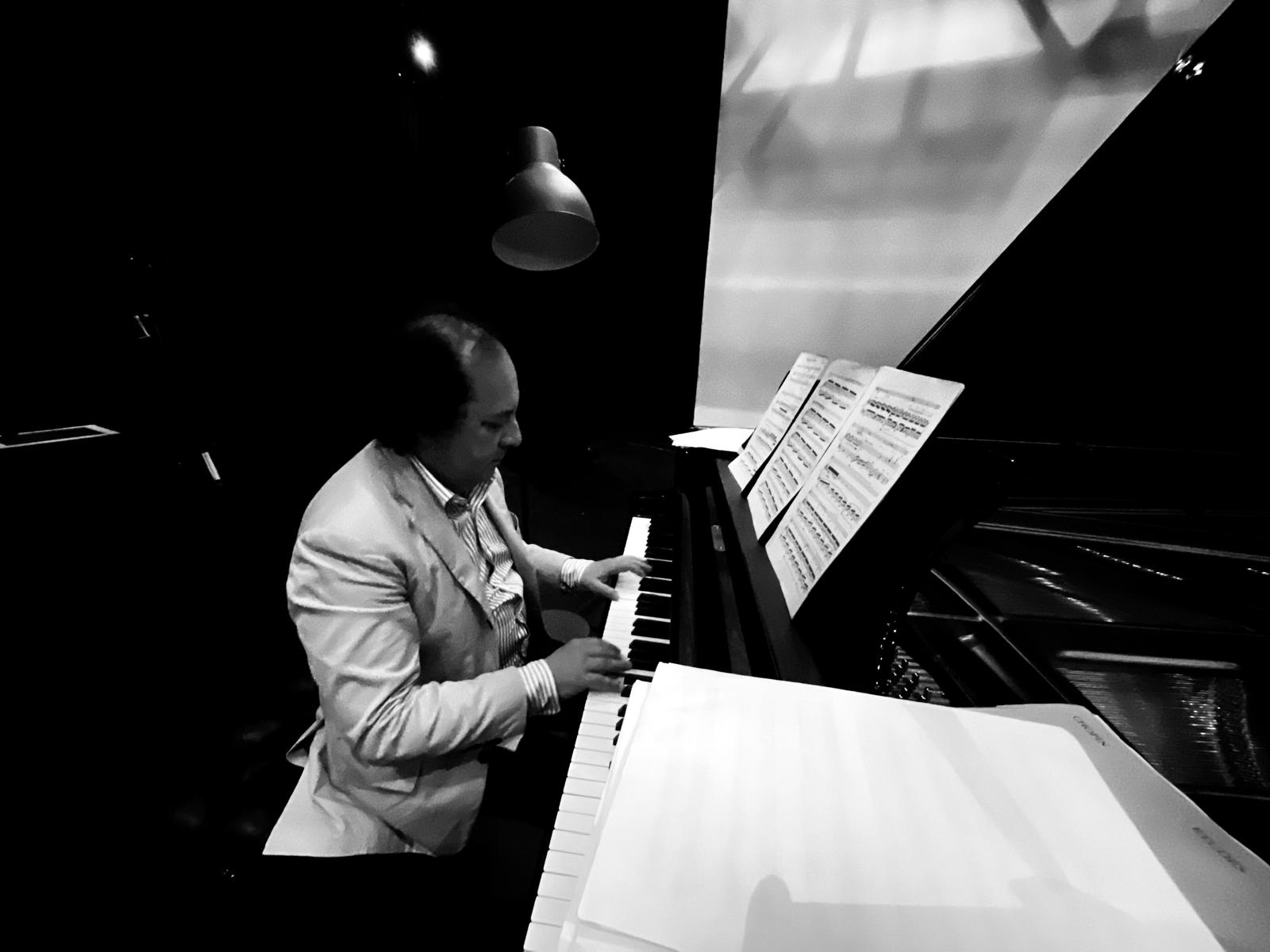
Vincenzo Pasquariello
Vincenzo Pasquariello is an Italian musician and performer active in the fields of contemporary music, music theatre, and interdisciplinary projects.
His practice lies at the intersection of musical performance, performative action, and scenic research, with particular attention to the relationship between sound, gesture, and space.
Throughout his career, he has collaborated with internationally renowned composers, directors, and visual artists, taking part in productions that integrate music, image, and performative action. Among his most significant collaborations is his work with William Kentridge, within large-scale theatrical and operatic projects in which Pasquariello contributed to the creation of complex sonic and performative devices embedded in highly visual and conceptually charged scenic environments.
Alongside his performing activity, Pasquariello is involved in research and artistic production projects that explore hybrid forms of contemporary performance, working across fields ranging from music theatre to interdisciplinary experimentation.
His practice lies at the intersection of musical performance, performative action, and scenic research, with particular attention to the relationship between sound, gesture, and space.
Throughout his career, he has collaborated with internationally renowned composers, directors, and visual artists, taking part in productions that integrate music, image, and performative action. Among his most significant collaborations is his work with William Kentridge, within large-scale theatrical and operatic projects in which Pasquariello contributed to the creation of complex sonic and performative devices embedded in highly visual and conceptually charged scenic environments.
Alongside his performing activity, Pasquariello is involved in research and artistic production projects that explore hybrid forms of contemporary performance, working across fields ranging from music theatre to interdisciplinary experimentation.